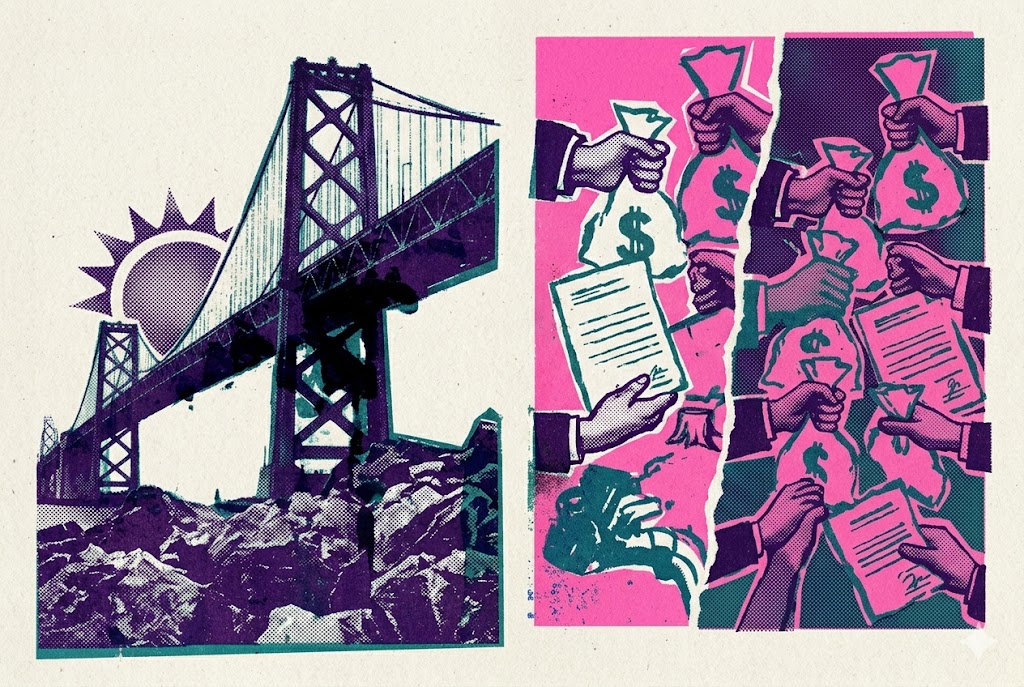
Sarawak Built a Bridge. Sabah Sold a Forest.
Sarawak built infrastructure with state money. Sabah sold forests to peninsula companies. One thinks in decades. The other thinks in elections.
22 May 2026
Sarawak opened the Batang Lupar Bridge last week. The bridge cost RM900 million, spans 4.8 kilometres, was completed on schedule, and was financed entirely from state funds. It is the longest river crossing in Malaysia.
The same week, Sabah’s Environmental Protection Department approved four forest concessions totalling 204,201 hectares. All four applicant companies—Sallico Asia Sdn Bhd, Jungle Greens Sdn Bhd, Tenang Rimba Sdn Bhd, and Halaman Zamrud Sdn Bhd—are registered in Selangor. The concession area is larger than Melaka. The companies will pay corporate tax to federal coffers, not Sabah.
This comparison invites an obvious question: why does Sarawak build whilst Sabah sells? Much of the political commentary around forest concessions focuses on corruption and cronyism. These explanations miss the structural issue. The real question is why Sabah’s government systematically prefers awarding concessions to external companies over developing local timber companies capable of capturing that value internally. The answer lies in federal dependence.
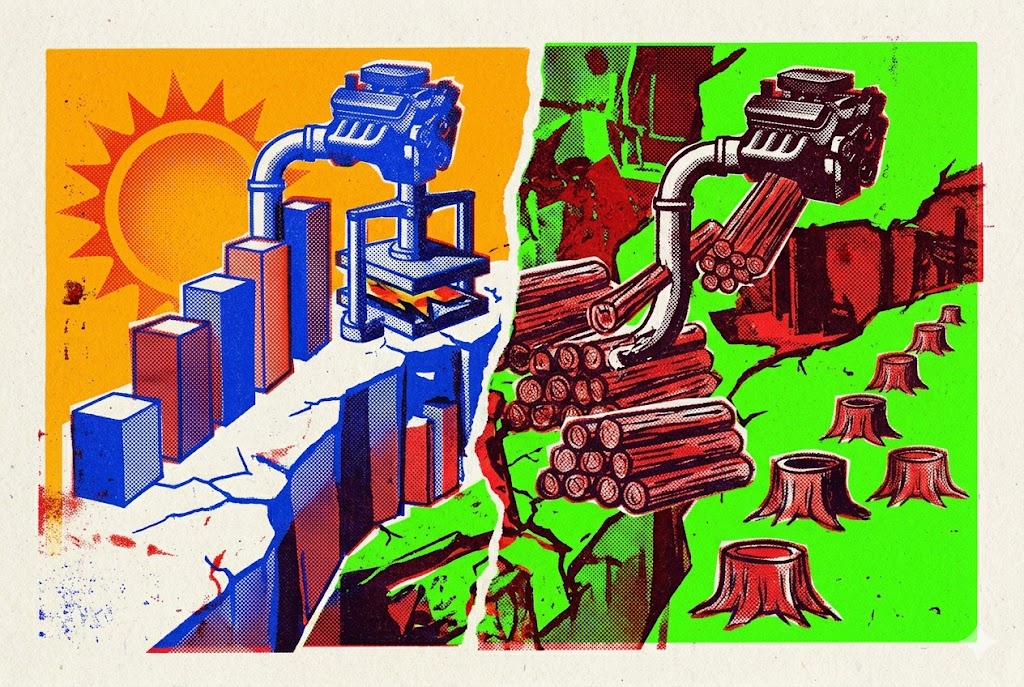
Sabah’s state revenue can be supplemented by federal transfers at any time. This eliminates the incentive to build long-term revenue sources. Political survival depends on distributing access. Award concessions. Hand out contracts. Direct patronage. This matters more than delivering sustained economic growth. Accountability for long-term outcomes is weak because politicians operate on election cycles, not decades. Under these conditions, selling forest concessions becomes rational. No need to invest capital in building a timber industry. No need to tolerate losses while a company develops expertise. No need to remain accountable if the concession fails to deliver promised replanting or employment. Award the concession, collect royalties, and let someone else in Kuala Lumpur manage the tax base.
Sarawak’s government invests as though it expects to govern for fifty years. The bridge will generate returns for fifty years. The state has invested in downstream timber processing, power generation, and infrastructure across decades. Every completed project demonstrates to investors that Sarawak can execute. Capital flows to competence. Revenue accumulates. More infrastructure becomes possible.
Sabah and Sarawak began from similar positions. Both are Borneo states with substantial forests and natural resources. Both have complicated relationships with Kuala Lumpur. Resources do not differ. Federal leverage does not differ. What differs is investment horizon. When Sarawak completes a major infrastructure project on schedule, it signals that the state can plan, execute, and deliver. When Sabah awards concessions to peninsula-registered companies, it signals that the state prioritises short-term extraction over long-term development. When the state repeatedly fails to complete announced projects, and voters repeatedly elect different governments that behave identically, the incentive structure becomes entrenched.
Sabahans participate in this system actively. Every time a politician announces a project and receives credit for the announcement rather than being held accountable for non-delivery, the system is reinforced. Every time a groundbreaking ceremony is treated as governance, the pattern continues. Every time voters replace one coalition with another that operates identically, the system persists. We have trained our political class that announcements matter and delivery does not.
The tax jurisdiction is significant because it reveals what Sabah actually loses. When a Selangor-registered company profits from logging Sabahan timber, the corporate tax on that profit flows to federal distribution formulas designed to benefit peninsular states. Sabah receives timber royalties. These are a percentage of extracted volume. Royalties are one-time revenue from a depleting resource. Corporate tax revenue is recurring. Beyond immediate tax losses, Sabah forgoes expertise development that occurs when companies operate locally over decades. It forgoes supply chain integration that creates skilled employment. It forgoes institutional knowledge that allows a jurisdiction to move up the value chain from raw extraction to processing and manufacturing.
Sarawak’s bridge will generate economic returns for fifty years. Sabah’s forests will be exhausted within twenty. One trajectory builds state strength. The other depletes it.
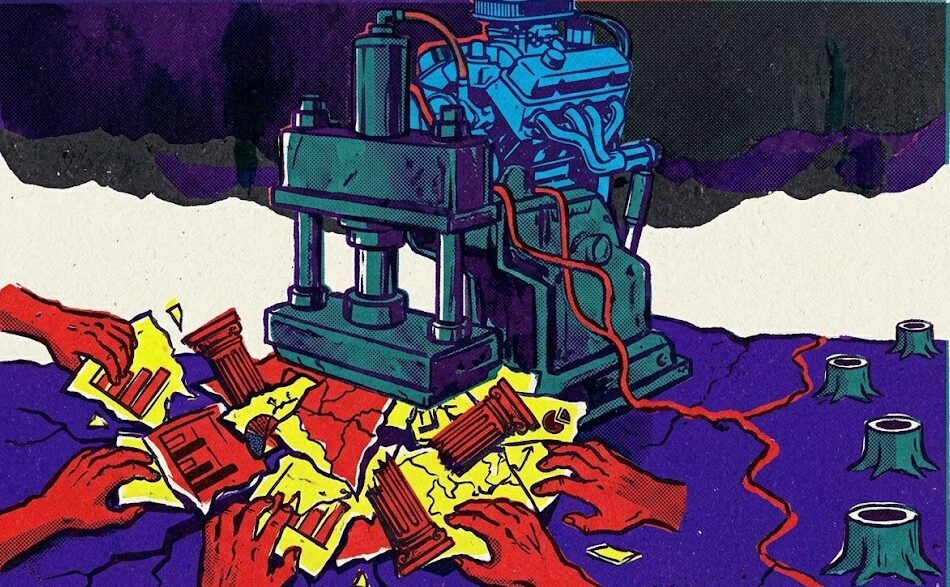
Sarawak invests in fifty-year returns. Sabah collects one-time royalties. Sarawak’s government operates as though the state will exist and function in 2075. Sabah’s government operates as though the next election is the relevant time horizon. The forest concessions follow a pattern established by decades of federal dependence and voter behaviour that rewards announcements over delivery. We built this system. We operate it. We benefit from it just enough to tolerate its continuation. We will express shock when it repeats, which it will.
If this fails to provoke anger, reassess what is being traded away.